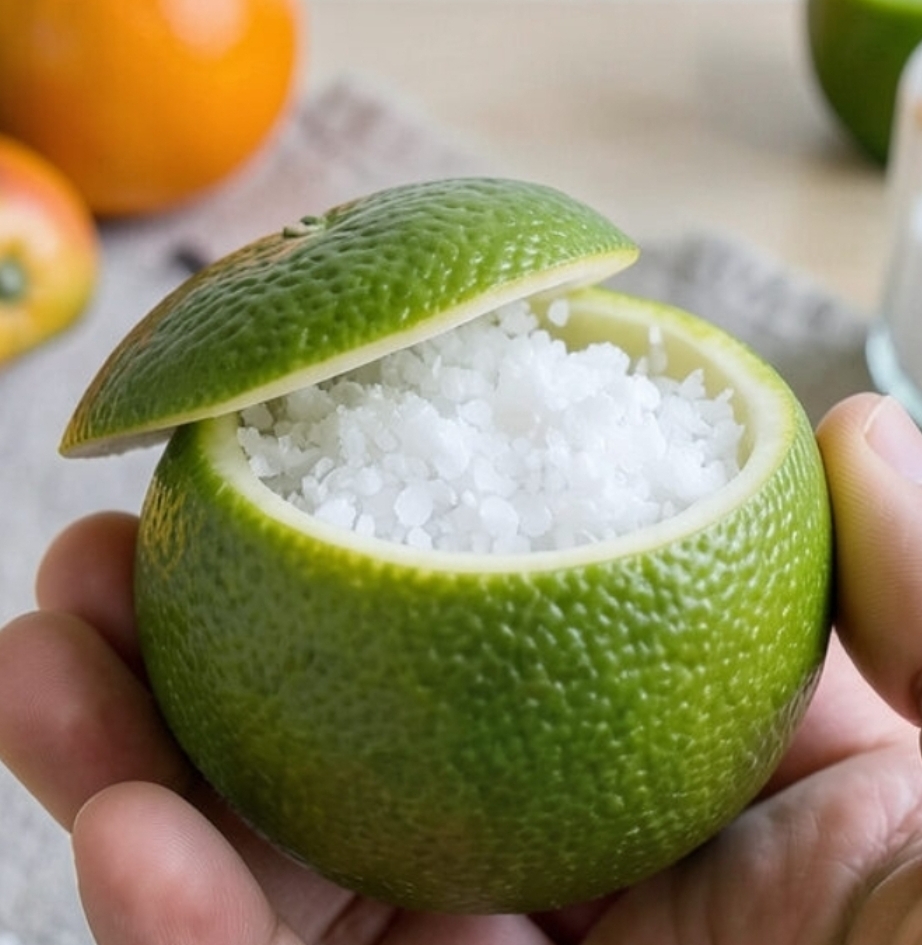

The Allure of the Salted Lime in Your RoomYou’ve likely seen the intriguing image circulating online: a vibrant green citrus fruit, often a lime, hollowed out and brimming with coarse white salt, promising a life-changing trick if placed in your room. This simple visual has sparked curiosity, leading many to wonder about the potential benefits of this unusual combination. While the claims of a ‘life-changing trick’ are often sensationalized, the individual components—citrus and salt—have long been associated with various wellness practices and household uses. This article will explore the traditional and potential applications of placing a hollowed-out lime filled with salt in your living space, examining the science, folklore, and practical considerations behind this viral trend. The image itself is quite striking, showcasing a hand holding the prepared fruit, with a glass salt shaker in the background, hinting at the simplicity of the setup. The visual appeal, combined with the bold promise, makes it an understandable magnet for attention. But what exactly is going on here, and can a simple lime and salt combination truly offer benefits for your home environment or well-being? What Is the Hollowed-Out Lime Filled with Salt Practice?At its core, the practice involves taking a citrus fruit, typically a lime (though a lemon is often mentioned in similar contexts), hollowing out a portion, filling it with salt crystals, and then placing it in a room. The idea is that this arrangement will somehow purify the air, absorb negative energies, or provide other intangible benefits to the space and its occupants. The salt often used is coarse, such as sea salt or Himalayan salt, which are popular in various wellness and purification rituals. While modern scientific literature doesn’t directly endorse ‘salted limes’ as a medical treatment or a definitive air purifier, the individual properties of both limes and salt have been recognized for their distinct characteristics. Limes, like other citrus fruits, are known for their refreshing scent and antibacterial properties, while salt has historically been used for preservation, purification, and its hygroscopic nature (ability to absorb moisture from the air). Key Concepts: Citrus and Salt in WellnessThe Power of Citrus AromasCitrus fruits, including limes, are rich in essential oils, particularly limonene, which is responsible for their characteristic fresh and uplifting scent. Aromatherapy often utilizes citrus essential oils for their purported mood-boosting and stress-reducing effects. The natural fragrance released by a fresh lime in a room could contribute to a more pleasant atmosphere, potentially enhancing feelings of freshness and cleanliness. Some believe these natural scents can also help neutralize odors, acting as a natural air freshener. Mood Enhancement: The aroma of citrus is often associated with alertness and positivity.Natural Deodorizer: Citrus can help mask or neutralize unpleasant smells in a room.Antibacterial Properties: While not a substitute for proper cleaning, some compounds in citrus have mild antibacterial qualities.The Role of Salt in Purification and AbsorptionSalt has a long and varied history across cultures, used for everything from food preservation to spiritual purification rituals. In the context of placing it in a room, its most relevant property is its hygroscopic nature. Salt crystals naturally attract and absorb moisture from the air. This property is why salt is sometimes used as a natural dehumidifier in damp spaces, or why salt lamps are believed by some to ‘cleanse’ the air by attracting water vapor and airborne particles. Moisture Absorption: Salt can draw humidity from the surrounding air, which might be beneficial in slightly damp environments.Odor Neutralization: Salt is a known odor absorber, often used in refrigerators or to remove smells from carpets.Symbolic Purification: In many traditions, salt is used as a symbol of purification and protection.How This Practice May Support Your Home EnvironmentWhile the claim of a ‘life-changing trick’ might be an overstatement, combining a hollowed-out lime with salt can offer some subtle, practical benefits for your home environment: Natural Air Freshener: The fresh scent of lime can naturally deodorize a room, providing a pleasant aroma without synthetic chemicals. As the lime slowly dries, it continues to release a subtle fragrance.Odor Absorber: The salt within the lime can act as a natural odor absorber, potentially helping to reduce stale or unwanted smells in a small area, similar to how baking soda works.Aesthetic Appeal: A fresh lime, even when hollowed, can add a touch of natural beauty and a pop of color to your decor.Potential for Moisture Control: In very humid conditions, the salt may absorb a small amount of moisture from the air, although it’s not a substitute for a dedicated dehumidifier.Mindfulness and Ritual: For some, the act of preparing and placing the salted lime can be a mindful ritual, contributing to a sense of intention and well-being in their living space. This psychological aspect can be powerful, fostering a feeling of calm and control over one’s environment.Practical Tips for Trying the Salted LimeIf you’re curious to try this practice, here are some practical tips to maximize its potential benefits and ensure a pleasant experience: Choose Fresh Limes: Select firm, unblemished limes for the best aesthetic and aromatic qualities.Prepare Thoughtfully: Carefully hollow out the lime, leaving enough rind to hold the salt. You can cut a small ‘lid’ from the top to cover the salt, as seen in the image, which can help prolong its freshness and appearance.Use Coarse Salt: Coarse sea salt or Himalayan salt is often preferred for its larger crystal structure, which may allow for better moisture and odor absorption.Placement Matters: Place your salted lime in an area where you want to refresh the air or absorb mild odors. Consider a bedside table, a bathroom counter, or a small corner of a living room.Replace Regularly: Limes are organic and will eventually dry out or spoil. Replace your salted lime every few days to a week, or when you notice the scent fading or the fruit deteriorating. This prevents mold or unpleasant odors from developing.Cleanliness is Key: Ensure the surface where you place the lime is clean and protected, as moisture might eventually seep through.Important Considerations and Safety NotesWhile placing a hollowed-out lime filled with salt in your room is generally harmless, it’s important to approach such practices with a balanced perspective: Not a Medical Treatment: This practice is a wellness ritual and a natural air freshener, not a substitute for medical advice, treatment, or professional air purification systems. If you have health concerns related to air quality, consult a healthcare professional or an environmental expert.Pest Attraction: Organic materials like fruit can attract fruit flies or other small insects as they decompose. Regular replacement and proper disposal are crucial.Moisture Damage: While salt absorbs moisture, if the lime rind becomes overly damp or sits on a sensitive surface, it could potentially cause minor moisture damage. Use a small dish or coaster underneath to protect furniture.Allergies/Sensitivities: While rare, some individuals may be sensitive to strong citrus aromas. If you experience any discomfort, discontinue the practice.Frequently Asked Questions About Salted LimesQ: How long does a salted lime last in a room?A: A salted lime typically lasts between 3 to 7 days, depending on the humidity of the room and the freshness of the lime. You’ll notice the lime starting to dry out, and its aroma will diminish over time. It’s best to replace it regularly to maintain freshness and prevent spoilage. Q: Can I use any type of salt for this?A: While any salt will technically work, coarse salts like sea salt or Himalayan salt are often preferred. Their larger crystals are thought to be more effective for moisture and odor absorption compared to fine table salt. Q: Will a salted lime really purify the air?A: A salted lime can act as a mild natural air freshener and odor absorber, helping to make a room smell cleaner and more pleasant. However, it is not a scientific air purifier and cannot remove allergens, pollutants, or microbes from the air in the way a HEPA filter or air purifier can. Its effects are primarily aromatic and subtly hygroscopic. Q: Is there any scientific evidence to support this practice?A: There is no direct scientific evidence supporting the claim that a hollowed-out lime filled with salt can ‘change your life’ or provide specific health benefits beyond general aromatherapy or mild odor absorption. The benefits are largely anecdotal, based on traditional uses of citrus and salt, and related to creating a pleasant sensory environment. Q: Can I use other citrus fruits like lemons or oranges?A: Yes, similar practices are often done with lemons or oranges. The principle remains the same: using the fruit’s natural aroma and the salt’s absorbent properties. Limes and lemons are often chosen for their fresh, sharp scents. Final ThoughtsThe viral image of a hollowed-out lime filled with salt has certainly captured attention, promising a simple trick to enhance your life. While it may not deliver miraculous transformations, understanding the natural properties of both citrus and salt reveals that this practice can contribute to a more pleasant and refreshed home environment. The refreshing aroma of lime, combined with salt’s ability to absorb odors and a touch of moisture, offers a natural, chemical-free way to subtly improve your living space. For those seeking simple, natural ways to enhance their home’s ambiance and embrace mindful rituals, placing a salted lime in your room can be a delightful and harmless experiment. Remember to maintain realistic expectations and enjoy the subtle benefits this age-old combination might offer.
Exploring the Viral Trend: Lime and Salt in Your Room for Wellness