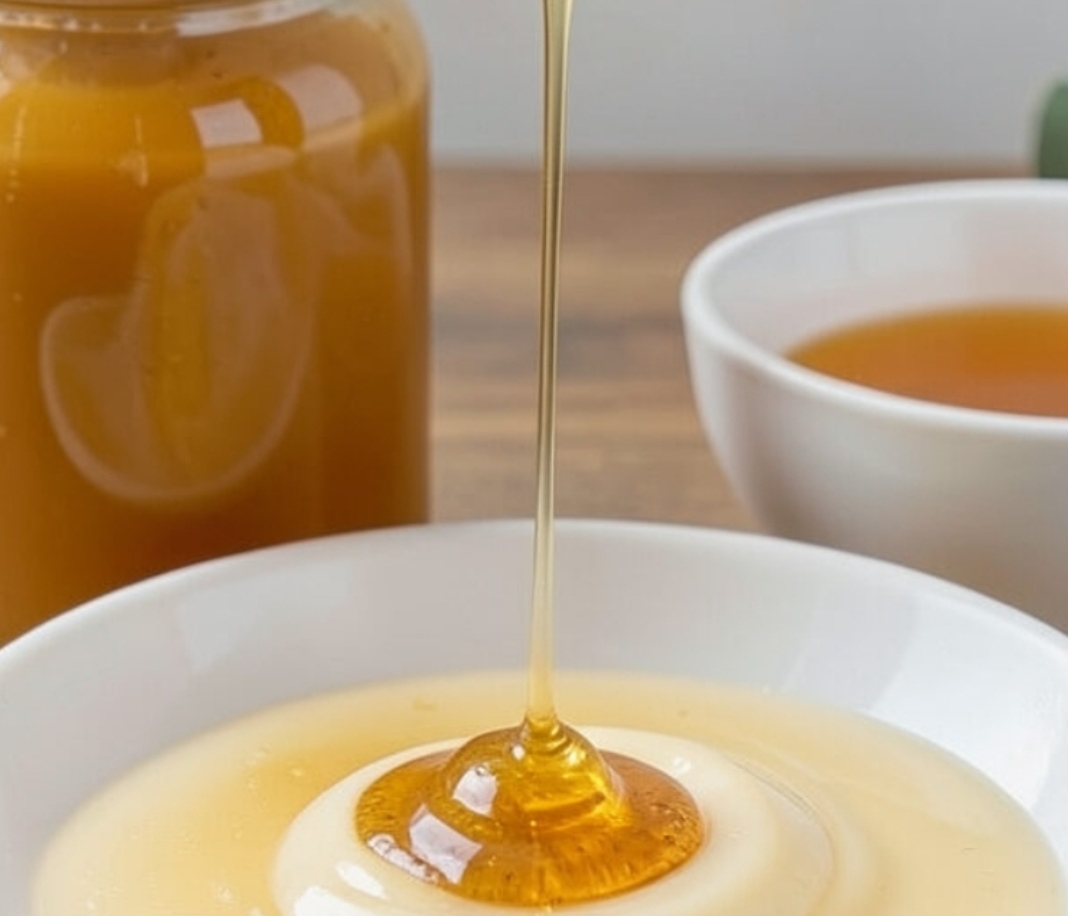

Why You’ll Love This Homemade Creamed Honey RecipeMaking your own creamed honey, also known as whipped honey or spun honey, is a truly rewarding experience. It takes ordinary liquid honey and transforms it into a thick, opaque, and incredibly spreadable consistency that’s less messy and more delightful to use. Imagine spreading this smooth, pale yellow goodness on your morning toast, stirring it into tea, or enjoying it straight from the spoon. It’s a wonderful way to enjoy the natural sweetness of honey in a new, more versatile form. This recipe is perfect for honey enthusiasts, those looking for unique homemade food gifts, or anyone who appreciates a simple yet elegant addition to their pantry. The process is straightforward, requiring minimal equipment and just a little patience. Plus, you get to control the entire process, ensuring a pure and natural product free from any unwanted additives. Get ready to elevate your honey experience with this easy-to-follow guide to homemade creamed honey. The Magic of Creamed HoneyWhat exactly is creamed honey? It’s not cream, despite the name! Creamed honey is simply honey that has been processed to control crystallization, resulting in a smooth, fine-grained texture. Liquid honey naturally crystallizes over time, often becoming coarse and gritty. Creaming honey involves introducing a small amount of finely crystallized honey (a “seed” honey) into liquid honey and then maintaining a specific temperature to encourage uniform, tiny crystal formation. The result is a velvety, spreadable product that holds its texture beautifully without becoming hard or separating. Ingredients for Homemade Creamed HoneyYou’ll be delighted by how few ingredients are needed for this delicious creation. The star of the show is, of course, honey! Liquid Honey: Approximately 3-4 pounds (about 5-6 cups) of high-quality liquid honey. Lighter-colored honey tends to produce a paler creamed honey, while darker varieties will result in a richer hue. Choose a honey with a mild flavor profile if you prefer a neutral base, or a more robust one for a distinct taste.Seed Honey: 1/2 cup of pre-creamed honey. This is crucial for initiating the crystallization process with fine crystals. If you don’t have any, you can often find creamed honey at farmers’ markets or specialty food stores. Alternatively, you can make your own seed honey by allowing a small amount of liquid honey to crystallize naturally, then blending it until very smooth.Ingredient NotesHoney Quality: The quality of your liquid honey directly impacts the flavor of your creamed honey. Opt for raw, unfiltered honey if possible, as it retains more of its natural enzymes and beneficial compounds. However, any good quality liquid honey will work.Seed Honey is Key: The seed honey acts as a template for the new crystals. Its fine texture dictates the smoothness of your final product. Don’t skip this step or substitute it with liquid honey. If your seed honey is very hard, gently warm it just enough to make it pliable but not liquid.Temperature Matters: Consistency is key in this process. The temperature of your honey and your environment will play a significant role in achieving the perfect creamed texture.How to Make Creamed HoneyMaking creamed honey is more about technique and patience than complex cooking. Follow these steps for a perfectly smooth result. Prepare Your Honey: Gently warm your liquid honey. The ideal temperature for mixing is around 70-75°F (21-24°C). If your honey is too cold, it will be too thick to mix properly. If it’s too hot, it can dissolve the seed crystals, defeating the purpose. A warm water bath is excellent for this: place the honey container in a larger bowl of warm (not hot) water until it reaches the desired temperature.Combine with Seed Honey: In a large, clean bowl, combine the warmed liquid honey with the 1/2 cup of seed honey.Mix Thoroughly: Using a sturdy spoon, a hand mixer on low speed, or a stand mixer with a paddle attachment, thoroughly mix the liquid honey and seed honey. Mix until the seed honey is completely incorporated and the mixture is uniform. This usually takes about 5-10 minutes. Avoid incorporating too much air, as this can lead to a foamy texture. The goal is to distribute the seed crystals evenly throughout the liquid honey.Jar the Honey: Pour the mixed honey into clean, sterilized glass jars. Leave about an inch of headspace at the top of each jar. The jars shown in the image, with their wide mouths and white lids, are perfect for this.Crystallization Period (The Incubation): This is the most critical step. Place the jars of honey in a cool, dark place where the temperature remains consistently between 55-60°F (13-16°C). A basement, a cool pantry, or even a wine cellar works well. Avoid fluctuations in temperature.Wait Patiently: Allow the honey to crystallize undisturbed for 7-14 days, or even up to 3 weeks. The exact time depends on the honey type, temperature, and seed honey quality. During this time, the tiny crystals from the seed honey will multiply throughout the liquid honey, creating the smooth, creamy texture. You’ll notice the honey becoming opaque and thickening.Check for Consistency: After the incubation period, check a jar. It should be thick, smooth, and easily spreadable. If it’s still too liquid, give it a few more days in the cool environment.Helpful Tips for Perfect Creamed HoneyCleanliness is Next to Godliness: Ensure all your equipment – bowls, spoons, jars – are meticulously clean and dry. Any moisture can cause spoilage.Consistent Temperature: Maintaining the ideal crystallization temperature is crucial. A cooler, stable temperature encourages finer crystal formation.Don’t Rush It: Patience is a virtue here. The crystallization process takes time, and rushing it can lead to a less-than-perfect texture.Avoid Overheating: When warming your liquid honey, never overheat it. High temperatures can destroy beneficial enzymes and alter the flavor.Stirring: While mixing, ensure the seed honey is fully distributed. Uneven distribution can lead to inconsistent texture in your final product.Ingredient SubstitutionsFor this recipe, substitutions are limited as honey is the core ingredient. However, you can experiment with different types of honey for varied flavors and colors. For instance, using clover honey will yield a very light-colored, mild creamed honey, while buckwheat honey will result in a darker, more robust version. VariationsFlavored Creamed Honey: Infuse your liquid honey with natural flavors before creaming. Add a vanilla bean pod to the honey while it’s warming, or a few drops of food-grade essential oils like lavender or citrus. Make sure to remove any solids before mixing with the seed honey.Spiced Creamed Honey: Gently warm your liquid honey with cinnamon sticks, star anise, or cardamom pods. Strain out the spices before proceeding with the creaming process.Serving SuggestionsCreamed honey is incredibly versatile! Spread it generously on toast, bagels, muffins, or croissants.Swirl it into your morning oatmeal or yogurt.Use it as a natural sweetener in tea or coffee.Dollop it onto pancakes or waffles.Pair it with cheese on a charcuterie board.Enjoy it by the spoonful for a quick, sweet treat.Storage and ReheatingStore your homemade creamed honey in airtight jars at room temperature, ideally in a cool, dark pantry. It will maintain its creamy texture for many months, often over a year, as long as it’s stored properly and not exposed to extreme temperature fluctuations. If your creamed honey does become too hard or separates, you can gently re-cream it by warming it slightly (not above 80°F or 27°C) until pliable, then mixing it again with a small amount of fresh seed honey, and allowing it to re-crystallize at the ideal temperature. Frequently Asked QuestionsWhat’s the difference between liquid honey and creamed honey?Liquid honey is in its natural, fluid state. Creamed honey is liquid honey that has undergone a controlled crystallization process to produce a smooth, thick, spreadable texture with very fine crystals. Can I make creamed honey without seed honey?While technically possible by waiting for liquid honey to crystallize naturally and then blending it, using seed honey significantly speeds up the process and ensures a much finer, more consistent creamy texture. Without seed honey, the natural crystallization can be coarse and gritty. Why did my creamed honey turn hard or grainy?This usually happens due to incorrect temperature during crystallization (too warm or fluctuating temperatures) or if the seed honey was not fine enough. Ensure a consistent cool temperature and a very smooth seed honey for best results. Is creamed honey healthier than liquid honey?Nutritionally, creamed honey is the same as liquid honey. The creaming process only changes its physical texture, not its composition or health benefits. How long does homemade creamed honey last?Stored properly in airtight containers in a cool, dark place, homemade creamed honey can last for a year or even longer. Honey is naturally very shelf-stable. Final Recipe NotesMaking your own creamed honey is a delightful project that yields a gourmet product with minimal effort. It’s a testament to the versatility of this incredible natural sweetener. Enjoy the satisfaction of creating something so delicious and useful from scratch. This spreadable honey will quickly become a favorite in your kitchen, offering a smooth, sweet touch to countless dishes. Happy creaming! Ingredients3-4 pounds (approx. 5-6 cups) liquid honey1/2 cup pre-creamed honey (seed honey)InstructionsGently warm your liquid honey to 70-75°F (21-24°C) using a warm water bath. Ensure it is not too hot.In a large, clean bowl, combine the warmed liquid honey with the 1/2 cup of seed honey.Using a sturdy spoon, hand mixer on low, or stand mixer with a paddle attachment, mix thoroughly until the seed honey is completely incorporated and the mixture is uniform (5-10 minutes). Avoid incorporating too much air.Pour the mixed honey into clean, sterilized glass jars, leaving about an inch of headspace.Place the jars in a cool, dark place with a consistent temperature between 55-60°F (13-16°C).Allow the honey to crystallize undisturbed for 7-14 days, or up to 3 weeks, until it reaches a thick, smooth, and spreadable consistency.Once creamed, store the jars at room temperature in a cool, dark pantry.Prep time: 15 minutesCook time: 0 minutesTotal time: 7-21 days (crystallization)Servings: Yields approx. 5-6 cups
Homemade Creamed Honey: A Delightfully Spreadable Sweet Treat